CCA is committed to driving positive change in the construction industry’s health and safety standards across Canada.
We are proud to support the Canadian Construction Safety Council (CSCC) and help amplify their national “calls to action” listed below. These priorities reflect a shared commitment to advancing consistent, high-quality safety practices across Canada’s construction industry and improving outcomes for workers and businesses everywhere.
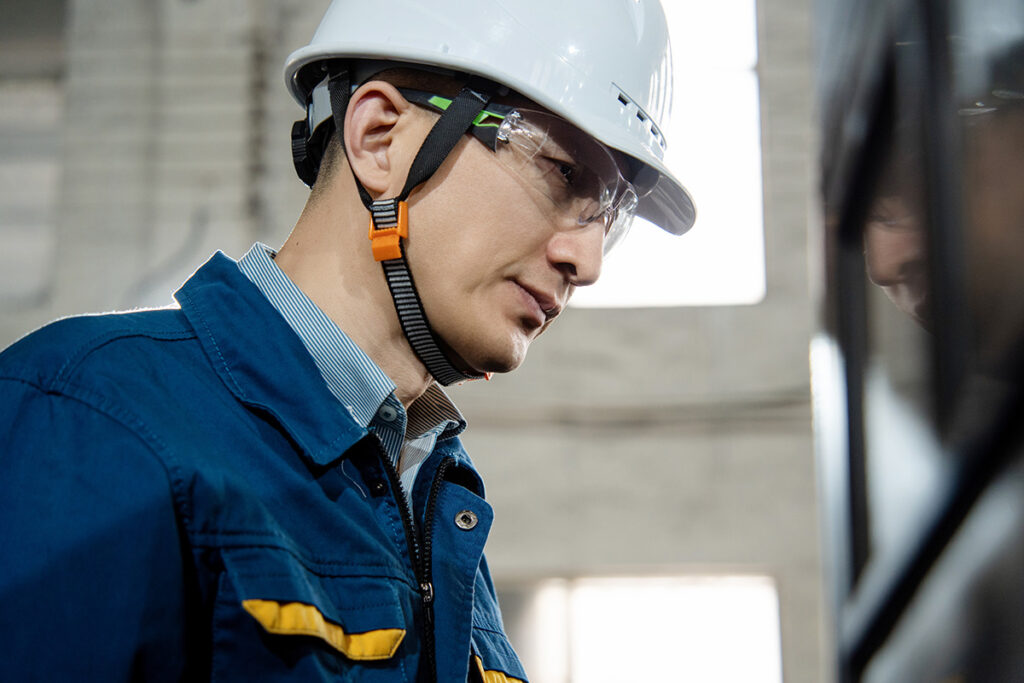
Transition to safety helmets with chin straps
The Canadian Construction Safety Council is announcing a mandatory transition to Type 2 hard hats with integrated chin straps for all subcontractors working on CCSC-member sites across Canada, effective July 1, 2026.
This change reflects a growing industry commitment to enhanced head protection against lateral impacts and falls, by ensuring helmets stay securely in place when it matters most.
How this affects subcontractors:
- CSA- or ANSI-certified Type 2 hard hats with integrated chin straps will be required.
- Applies to all CCSC member projects nationwide.
This transition represents a collective step forward by all CCSC members to protect workers and reduce serious head injuries across Canadian construction sites.
Critical risks guideline
Critical risks are inherent in the construction industry and have the potential to lead to fatalities or life-altering injuries when left unchecked. The Critical Risks Guideline identifies and addresses 13 high-risk activities that could cause significant threats to frontline worker safety and result in fatalities or serious injuries. Recognizing these critical risks empower frontline workers to ensure work begins in a safe, controlled and hazard-aware manner and ensures the proper controls are in place.
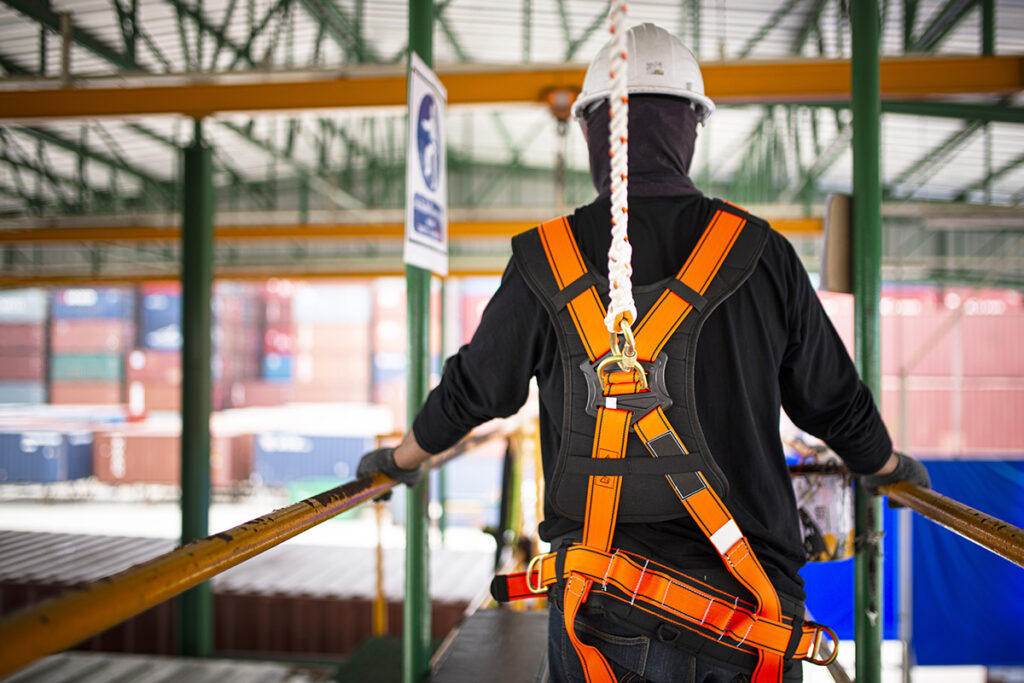
Six-foot fall protection rule
Falls remain one of the leading causes of severe injuries and fatalities in construction. By implementing stringent fall protection measures at the six-foot threshold, such as installing guardrails, safety nets, and personal fall arrest systems, companies can significantly reduce the risk of catastrophic incidents. Comprehensive training and awareness among all workers ensure that the workplace becomes a safer environment where every worker feels valued and protected.
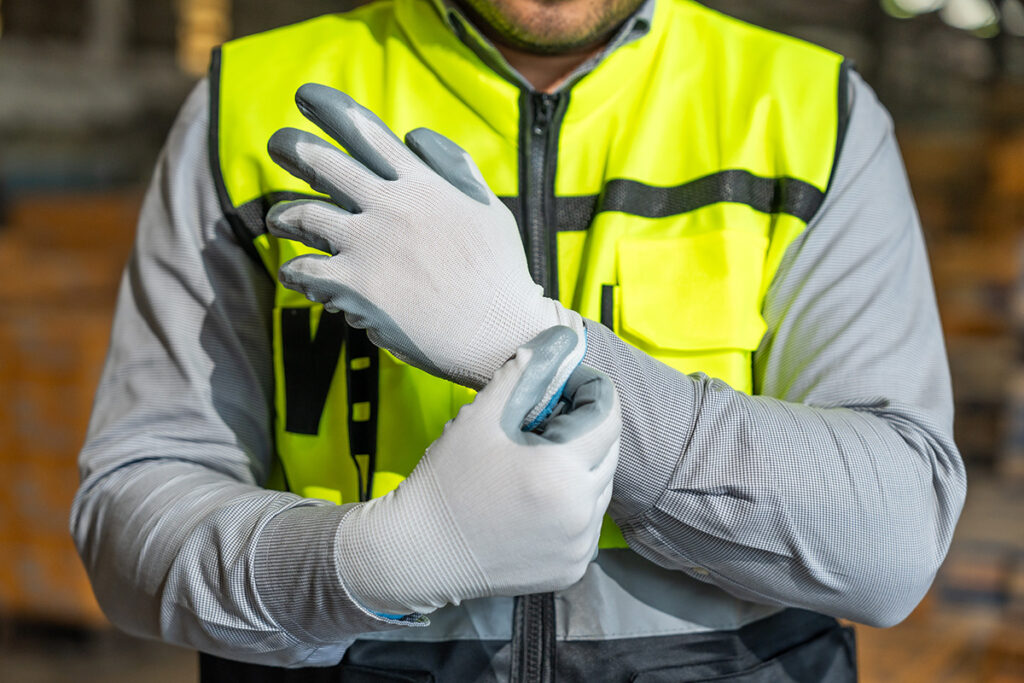
Proactive Implementation of Level 4 Cut-Resistant Gloves
Construction work often involves handling sharp tools and materials, posing a constant threat of lacerations and severe hand injuries. Level 4 cut-resistant gloves provide superior protection, helping to mitigate these risks and ensure that workers’ hands are safeguarded against the harshest conditions. By standardizing the use of these gloves, construction companies demonstrate a proactive approach to injury prevention, fostering a culture where safety is ingrained in every task, no matter how routine.
A unified commitment to safety
The collective alignment with these advanced safety measures—six-foot fall protection, safety helmets with chin straps, and level 4 cut-resistant gloves—heralds a transformative shift in the construction industry. It reflects a unified commitment to elevating safety standards and creating a work environment where the risk of serious injuries and fatalities is minimized. This alignment requires concerted efforts from all stakeholders, including management, safety officers, and workers, to ensure that these measures are not only implemented but also rigorously adhered to.